
ACOUSTIC ENCLOSURES
Contain equipment noise without trapping heat or blocking maintenance.
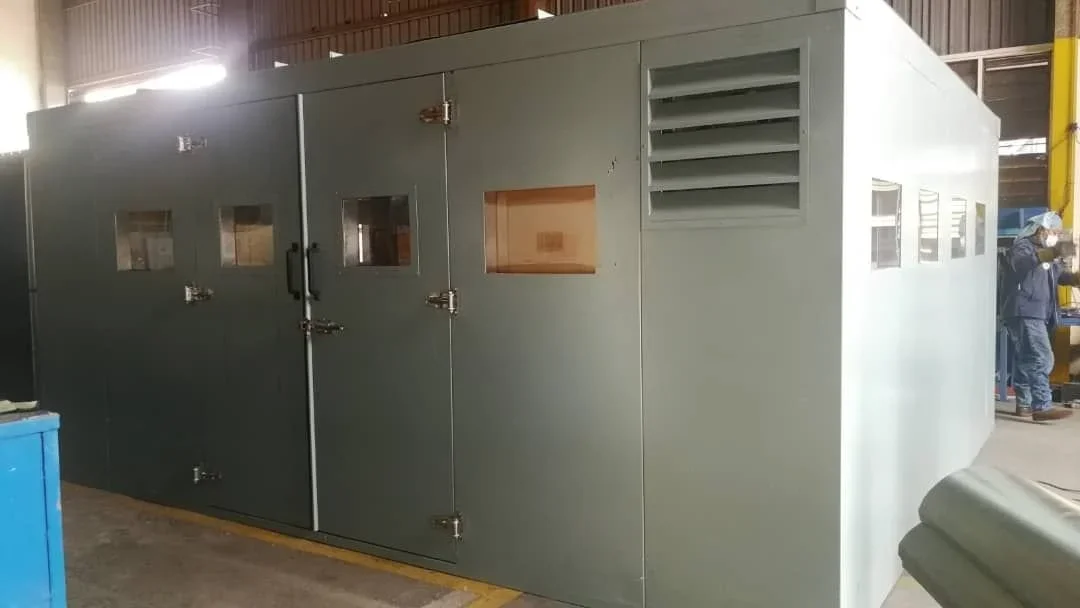
An acoustic enclosure is a system of panels, seals, ventilation paths, silencers, doors, penetrations and structural interfaces—not simply a box.
APPLICATION APPROACH
The product starts with the operating condition.
Phoenix plans acoustic enclosures around the machine footprint, service clearances, heat load, cooling-air requirement, access, penetrations, lifting and environmental exposure.
Important: Final performance and configuration depend on confirmed project data. The content here is a selection guide, not a technical proposal.
COMMON APPLICATIONS
Where this solution family fits.
01
Generators & engines
Cooling air, combustion air, exhaust routing and access.
02
Compressors & blowers
Heat, intake and discharge paths, piping and service space.
03
Pumps, motors & machines
Operator access, removable panels and equipment removal route.
DESIGN INPUTS
Information required for stronger selection.
The most important enclosure design requirement is the target noise reduction. This should be defined by location: near operator position, at one meter from the enclosure, at the plant boundary, or at a neighbouring receiver.
01
Noise target
Level and exact measurement location.
04
Penetrations
Pipes, ducts, cables, exhaust and drainage.
02
Heat load
Equipment heat rejection and ambient condition.
05
Access requirements
Doors, hatches, removable panels and clearances.
03
Airflow
Inlet, outlet and forced-ventilation requirement.
06
Environment
Indoor, outdoor, humid, corrosive or weather exposed.
PHOENIX DELIVERY MODEL
Review. Engineer. Fabricate. Coordinate.
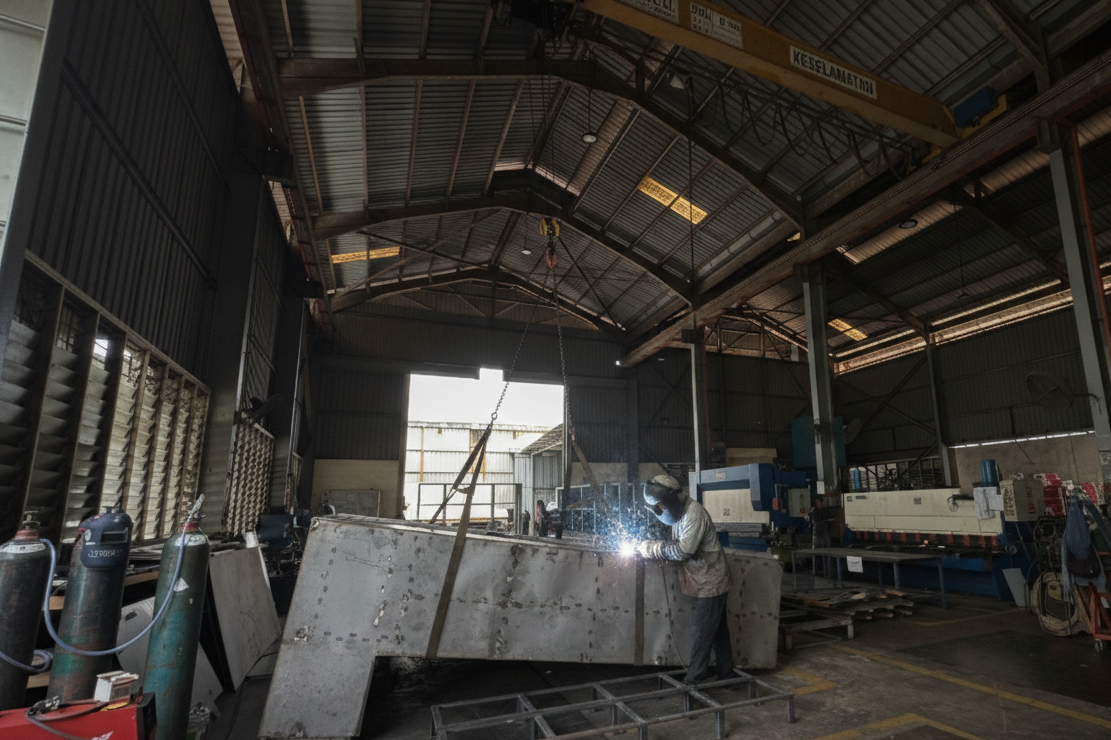
Product engineering is connected to practical fabrication and project requirements through Phoenix and VTR.
Acoustic Enclosures FAQs
Will an acoustic enclosure cause overheating?
It can if ventilation is not designed correctly. Enclosures must include appropriate airflow paths, acoustic louvres, ventilation silencers, or forced ventilation where needed.
Can acoustic enclosures be installed outdoors?
Yes. Outdoor enclosures should be designed for rain, humidity, corrosion, drainage, structural support, and maintenance access.
How much noise reduction can an enclosure achieve?
The achievable reduction depends on source noise, frequency content, enclosure construction, leakage control, ventilation openings, penetrations, and site conditions.