INDUSTRIAL SILENCERS
Reduce flow-generated noise without ignoring the system.
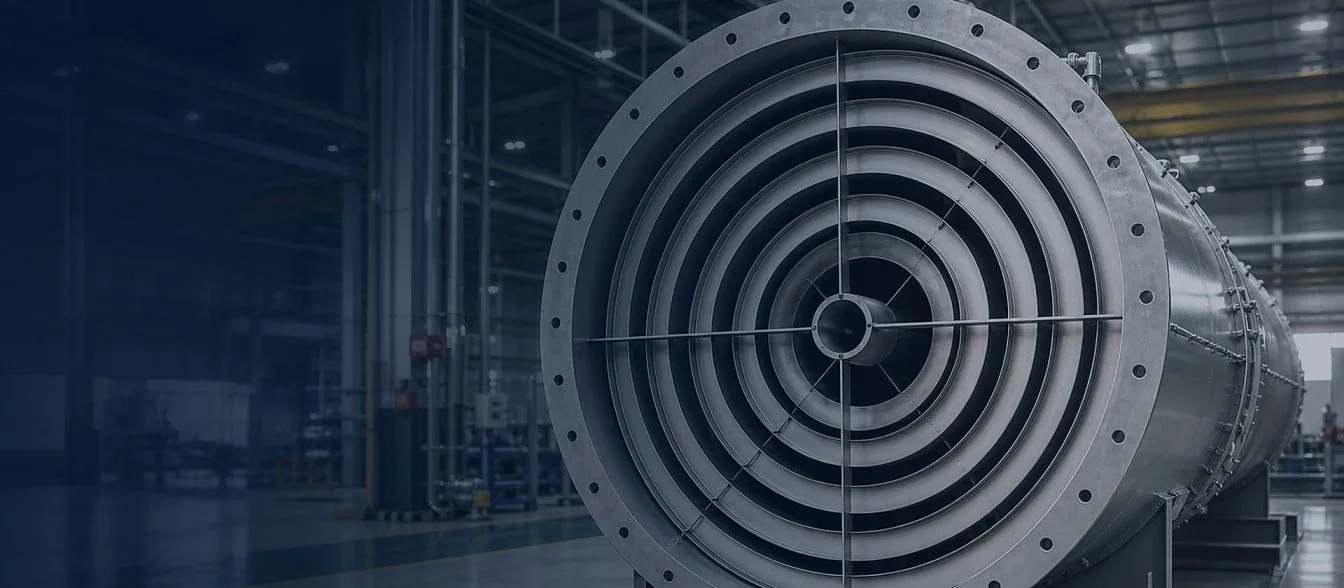
Industrial silencers are selected around acoustic performance, flow, pressure, temperature, medium, material, space and installation conditions.
APPLICATION APPROACH
The product starts with the operating condition.
Phoenix supplies industrial silencers for facilities that need practical reduction of equipment, exhaust, venting and air-movement noise. The right unit must attenuate sound while remaining mechanically suitable and maintaining acceptable system performance.
Important: Final performance and configuration depend on confirmed project data. The content here is a selection guide, not a technical proposal.
COMMON APPLICATIONS
Where this solution family fits.
Industrial silencers are used wherever gas, air, steam, or exhaust flow creates unacceptable sound levels. The noise may come from high-velocity discharge, rotating equipment, combustion exhaust, pressure relief systems, ducted ventilation, or continuous air movement.
01
Process & Vent Systems
Steam vents, gas discharge, relief and blowdown systems.
02
Exhaust Systems
Diesel generators, gas engines, turbines, boilers and stacks.
03
Air Movement Systems
Blower intake or discharge, HVAC ducts and plantroom ventilation.
DESIGN INPUTS
Information required for stronger selection.
A properly selected industrial silencer depends on accurate design inputs. Phoenix can help define missing information, but the strongest proposal starts with the operating data.
01
Operating medium
Air, steam, gas, exhaust or process vapour.
04
Noise target
Defined at a specific location and operating state.
02
Flow and pressure
Required for size, resistance and construction.
05
Pressure-drop limit
Protects system performance and safety.
03
Temperature
Drives materials, expansion and insulation decisions.
06
Site condition
Space, supports, orientation, weather and access.
PHOENIX DELIVERY MODEL
Review. Engineer. Fabricate. Coordinate.
Product engineering is connected to practical fabrication and project requirements through Phoenix and VTR.