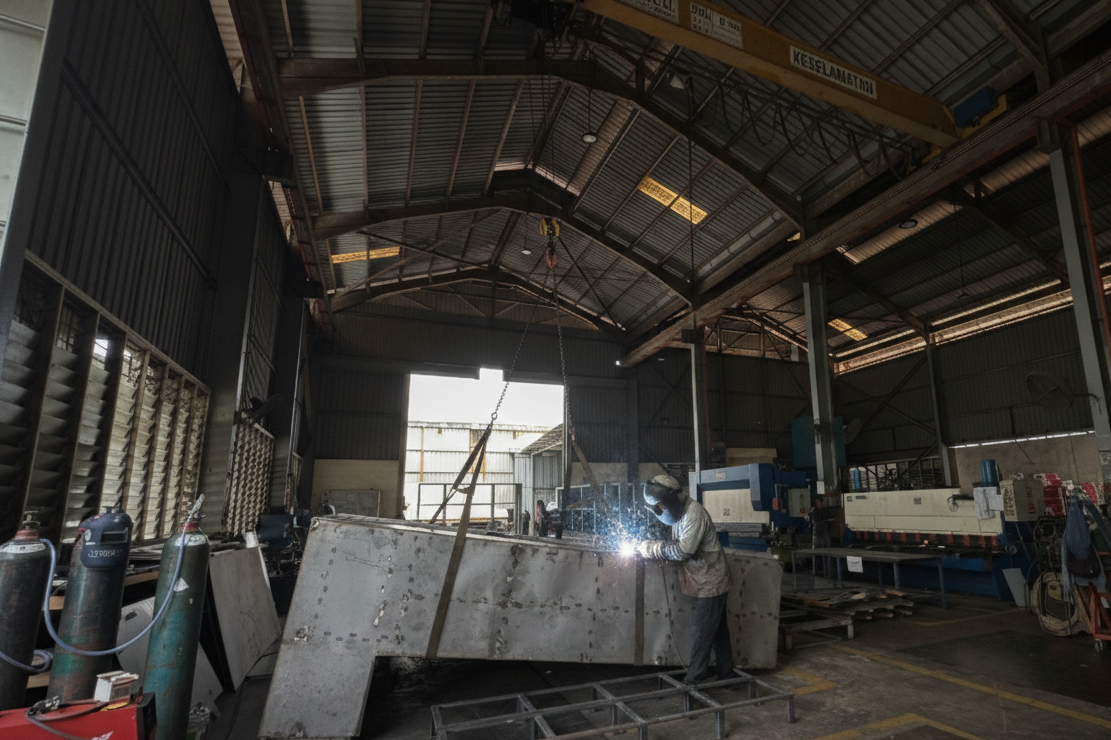
VENT & BLOWDOWN SILENCERS
Control high-energy discharge noise—with process limits respected.
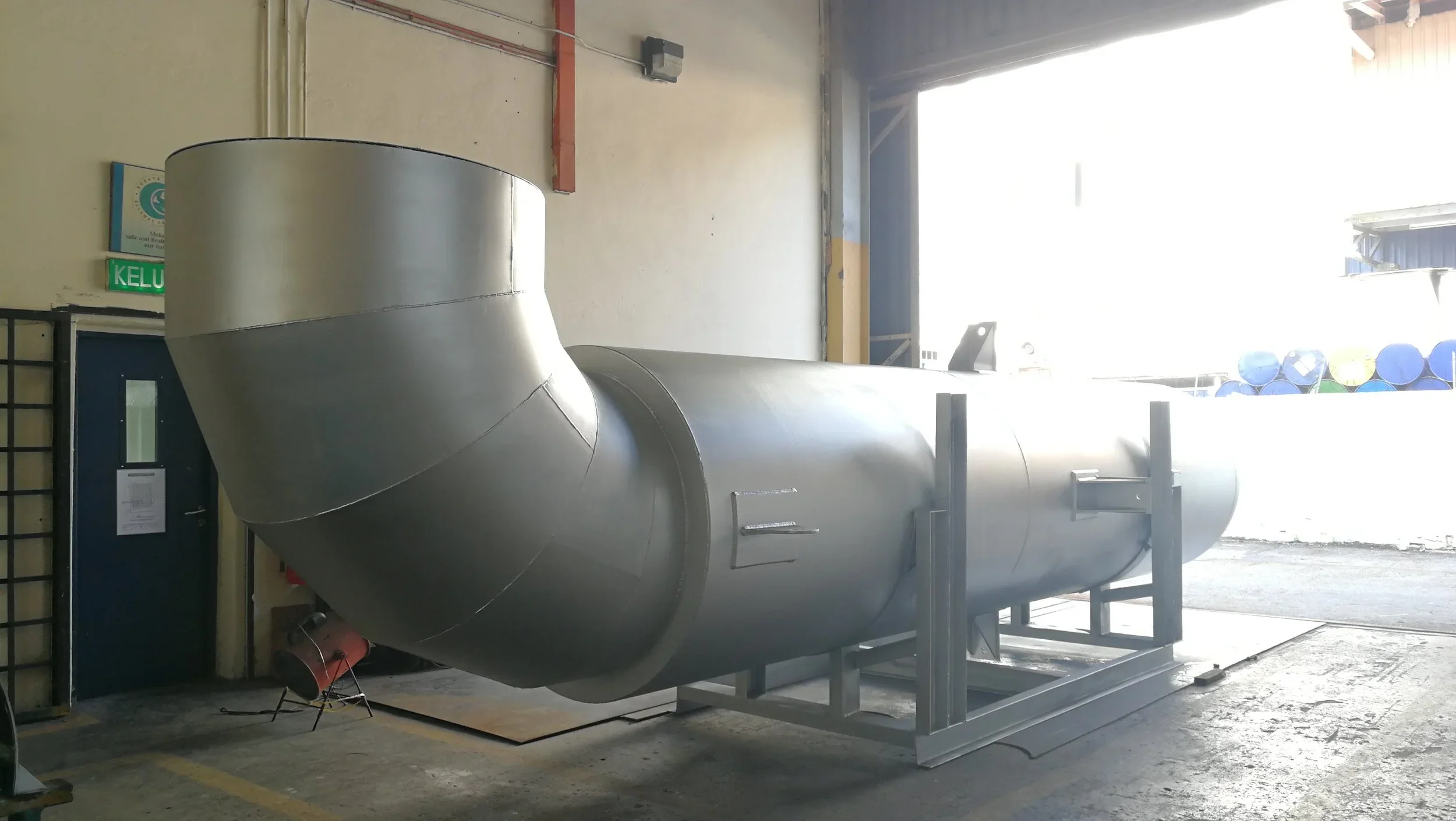
Vent silencer design must address the acoustic target together with mass flow, pressure, temperature, medium, allowable back pressure and discharge behaviour.
APPLICATION APPROACH
The product starts with the operating condition.
Vent and blowdown events can create intense broadband noise. A suitable silencer must manage the expanding flow, provide the required attenuation and remain compatible with the discharge system and site arrangement.
Important: Final performance and configuration depend on confirmed project data. The content here is a selection guide, not a technical proposal.
COMMON APPLICATIONS
Where this solution family fits.
01
Steam venting
Boiler, process and commissioning vent applications.
02
Gas relief & blowdown
Pressure relief, depressurisation and process discharge.
03
High-energy release
Intermittent or continuous duties requiring robust construction.
DESIGN INPUTS
Information required for stronger selection.
Phoenix Noise Control supplies vent silencers for Malaysian industrial facilities where steam, gas, air, or process media must be discharged while reducing high sound levels. Venting noise can be severe because it often involves high pressure, high velocity, turbulence, and rapid energy release.
A vent silencer must reduce noise while suiting the discharge conditions. Poor selection can create excessive back pressure, poor drainage, mechanical instability, or maintenance problems.
01
Medium
Steam, gas, air or process vapour.
04
Temperature
Normal and design temperature.
02
Flow rate
Normal, maximum and blowdown condition where applicable.
05
Back pressure
Maximum allowable system resistance.
03
Inlet pressure
Including the basis and upstream condition.
06
Discharge details
Duration, frequency, orientation and outlet condition.
PHOENIX DELIVERY MODEL
Review. Engineer. Fabricate. Coordinate.
Product engineering is connected to practical fabrication and project requirements through Phoenix and VTR.